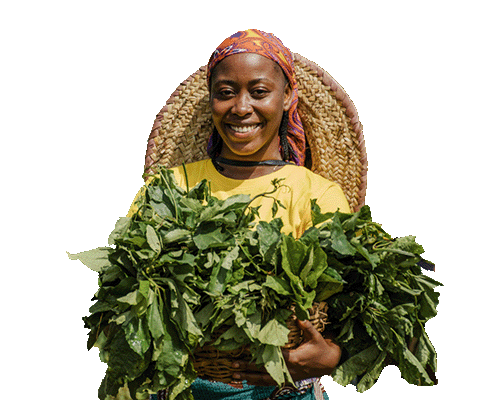
Our approach improves child nutrition and learning while boosting local agriculture and strengthening household resilience, especially in conflict-affected areas.
CVG's NOURISH2FLOURISH Program
NOURISH2FLOURISH is CVG’s flagship Home-Grown School Feeding (HGSF) program that provides locally sourced healthy, diverse and nutritious meals to children at their place of education. Our model provides a steady, structured and profitable market to local farmers through a simple idea:
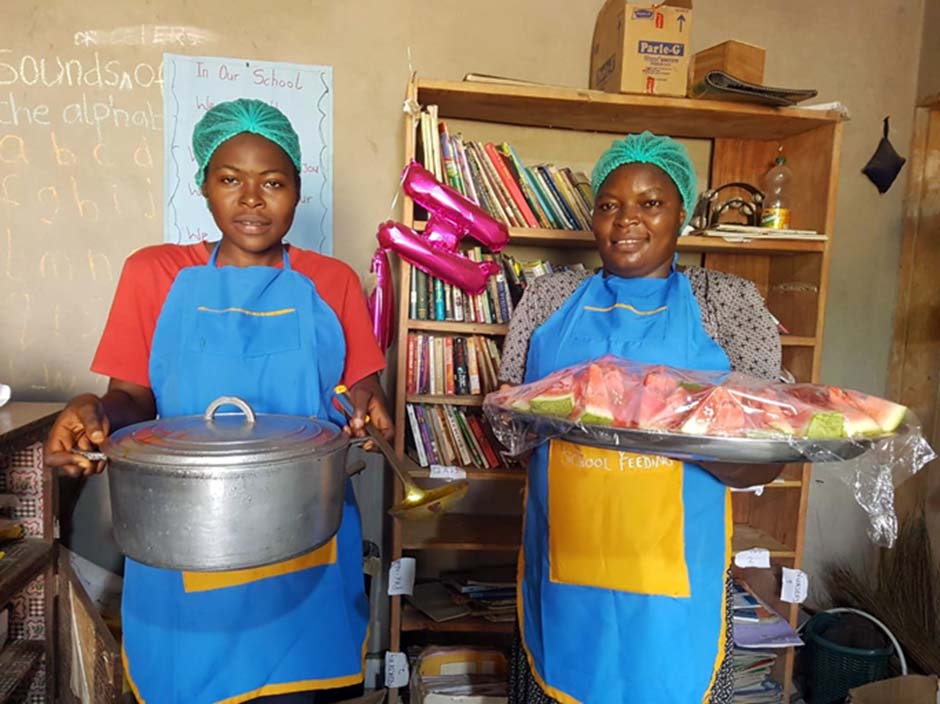
“Healthy meals in schools, grown by local communities.”
Key Features of Our Model
Why School Feeding Matters
The evidence is clear
School feeding is one of the highest-impact interventions globally for children in vulnerable communities.
-
Children receiving school meals are 20% more likely to stay in school.Retention
-
Attendance can rise by up to 90%, with even greater effects for girls.Attendance
-
School feeding reduces hunger-related learning losses by 30–40%.Learning
-
Every $1 invested into school meals generates $9 in economic return through improved health, education, and local food systems.Economic
-
In Cameroon, fewer than 3% of primary-school children currently receive school meals — highlighting a major gap and an urgent need for expansion.ACCESS
Because School Meals Matter, CVG Nourish2Flourish is keeping costs low, ensuring high quality, and striving to reach more and more children with what appears to be the ONLY healthy and nutritious meals for the day for many. Explore our Program Model in detail
Our Step-by-Step Approach to Nourishing School-children in Cameroon
Our procurement model strengthens the entire local food system
Edit Content
Farmers produce staple foods
(beans, maize, vegetables, groundnuts, potatoes)
Edit Content
CVG signs purchase/cooperative agreements with smallholder farmer groups
Edit Content
Smallholder Farmers Groups receive training, extension support, and market assurance
Edit Content
Smallholder Farmer Groups supply food to Nourish2Flourish beneficiary schools
Edit Content
School-children are served with locally sourced healthy, diverse, and nutritious meals
This cycle keeps money in the community, boosts farmer income, and ensures that children receive fresh, nutritious food.