Our story...

Helping Today. Helping Tommorow

Community Vision Group (CVG) was founded in response to the growing educational and nutritional crisis, as well as dwindling livelihood conditions in Cameroon’s North West Region. As conflict escalated in 2016 and schools closed or struggled to operate, many children were out of school for over half a decade.

1) NOURISH2FLOURISH Programme

These children, mainly from poor socio-economic backgrounds, had limited interest in education, and the few that attended school were increasingly learning on empty stomachs. This is the ignition point for our school feeding program in Cameroon in 2022, targeting three (03) schools, with close to 1,000 pupils. We served one meal per child per week, and the catalytic effect was visible on school enrolment, attendance, dietary practices and local agricultural production. Communities after experiencing this transformative program voiced a common need:

“We need school meals for our children.”

Founder and beneficiary children

What began as a small community-led initiative, inspired by the PhD research of the Founding President and Chief Executive (Dr Gilbert Miki), evolved into a structured Home-Grown School Feeding (HGSF) program providing locally sourced healthy, diverse and nutritious meals to children in North West Cameroon.

This started in his village – Fonfuka Bum, benefitting primary-aged children in CBC Fonfuka, CS Fonfuka, and CBC Konene. It later expanded to CS Konene, CBC Binka, CBC Kumbo and MBS Molyko, Buea. With just one meal per child per week, this impact was massive and this served as a deep motivation for continuity.

Today, CVG is recognized as one of Cameroon’s pioneering organizations leading the expansion of HGSF.

CVG's Vision – Mission – Values Framework

What Make Us Different

What's CVG's Vision?

A society where all children are served healthy and nutritious meals at their place of education—nourishing them to flourish and shaping transformed communities through shared responsibility.

Promoting inclusive systems that enable children to learn, grow, and thrive.

Our Mission

Our mission is to contribute to a poverty-free society where children can live to their full potential. We achieve this by:

Our Impact Journey So Far

  • Launched HGSF operations in 2022
  • Expanded from 3 to 8 schools by 2023, benefitting about 3,000 children cumulatively, serving one meal per child per week.
  • Served more than 80,000 nutritious, locally sourced meals
  • Supported 87 smallholder farmers, 60 of whom supplied school food
  • Achieved remarkable enrolment increases - 105% increase in CBC School Binka and 80% increase in CBS Konene.
  • Built strong partnerships with Municipal Councils, with a Memorandum of Understanding signed with Fonfuka Council and Ndu Council to integrate school meals into the Council Development Plans in 2024 - all pledging to integrate School Feeding within their Council Development Plans.
  • CVG has a bold three-year vision (2026–2029) to reach 20,000 children with locally sourced daily healthy, diverse and nutritious meals

Core Challenges We Are Addressing

Pillar 1 — Child Hunger, Food Poverty & Malnutrition

Over 2.5 million people in Cameroon faced acute food insecurity in 2025, many of them school-aged children who attend classes hungry.

Food insecurity persists, affecting over 2.5 million people in 2025 in regions of concern in Cameroon. In the Far North, North-West, and South-West regions, many households are facing acute food insecurity. In the North-West and South-West, armed violence has led to below-average harvests for several consecutive seasons. Families deplete food stocks earlier than in pre-crisis years and rely more heavily on volatile markets where food prices remain elevated.

As food insecurity worsens, millions of children—including primary-aged learners—go to school hungry. Poverty and declining livelihood conditions limit families’ ability to obtain enough food. Hunger impairs children’s ability to learn, reduces concentration, increases absenteeism, and contributes to high dropout rates, further affecting their educational pathways.

The FAO defines hunger as an uncomfortable or painful sensation caused by insufficient consumption of dietary energy and nutrients. This imbalance affects more than just nutrition—it has far-reaching consequences for children’s physical, mental, and socio-economic wellbeing. Chronic hunger and food poverty undermine growth, development, and long-term opportunities for affected children.

With this, CVG unlike most agencies focusing only on the first 1,000 days, CVG supports the next 7,000 days, ensuring school-aged children receive essential nutrients for learning, growth, and lifelong wellbeing.

Pillar 2. Barriers to Quality Education

With close to a decade of disrupted educational activities in the North West Region and other conflict-affected regions in Cameroon, children have lost the interest in school.

For nearly a decade, educational activities in the North West Region and other conflict-affected areas in Cameroon have been severely disrupted, causing many children to lose interest in school. According to UNICEF, more than 6,000 schools have been forced to close due to the crisis, affecting the education of over 800,000 children. In the North West Region alone, over 4,000 schools have closed, impacting approximately 500,000 children. These disruptions have resulted in major learning losses, with many children missing several years of schooling.

The crisis has disproportionately affected girls’ education, as they are more likely to drop out due to safety concerns and early marriage. UNICEF reports a 45% increase in teenage pregnancies in the region. These protection risks further limit girls’ ability to continue or return to school, deepening gender inequalities in education.

Some communities have opened community schools to reduce illiteracy among children, but many lack trained teachers, proper learning environments, and adequate equipment—reducing the overall quality of education. Meanwhile, conflict, insecurity, and economic hardship continue to push thousands of children out of school. Child labour has become an immediate consequence of prolonged school absences; recent statistics indicate that 39% of Cameroonian children aged 5–17 years are engaged in child labour.

CVG Nourish2Flourish School Feeding programme is not just about the food on the plate. It incentivises education, attracts the children back to school and generates limitless multi-sectoral benefits to the children.

Pillar 3. Economic Hardship and Disrupted Livelihoods

North West ranked second poorest region after Far North in 2022 by the National Institute of Statistics

According to the National Institute of Statistics of Cameroon, the North West region was ranked the second poorest region after the Far North in 2022. The North West, affected by nearly a decade of Anglophone conflict, had a poverty rate of 66.8%. The North followed with 61.1%. In contrast, the South West region—also English-speaking and impacted by the crisis—recorded a much lower poverty rate of 20.4%, showing a 45.4% difference. This indicates that the North West is significantly more affected.

In the region, more than 70% of rural households depend on agriculture, yet conflict, climate shocks, and poor market access continue to undermine productivity and income. Conflict has reduced access to farms, destroyed assets, and limited extension services. Climate shocks and rising input costs further compound the crisis, making it increasingly difficult for households to sustain their livelihoods.

The consequences of disrupted livelihoods are severe. Households experience reduced income, high food insecurity, poor dietary diversity, increased malnutrition, low resilience, rising poverty, and greater difficulty meeting basic needs. Many families are increasingly unable to send children to school or provide adequate food due to the mounting economic pressure.

CVG’s local procurement mechanism within the Nourish2Flourish school feeding programme is a cutting-edge solution to these challenges!

Pillar 4. Fragile Local Food Systems and low agricultural productivity

Farmers continue to face low soil fertility, rising input costs, climate shocks, including erratic rainfall and drought, and limited market access. High post-harvest losses, crop losses linked to insecurity, and minimal extension or technical support have all contributed to high food insecurity across affected regions.

These constraints lead to low agricultural productivity and increased dependence on imported foods. As imported food prices rise, household vulnerability deepens. Because food availability remains low throughout the year and local markets are often unstable and expensive, families struggle to meet their nutrition needs.

Local markets are frequently inaccessible, making it even harder for households to obtain nutritious food. Children and women are disproportionately affected by food shortages and nutrient deficiencies, worsening their health and resilience.

These challenges have inspired CVG operations especially around Home-Grown School Feeding, a flagship initiative that seeks to nourish children and empower communities.

professional team

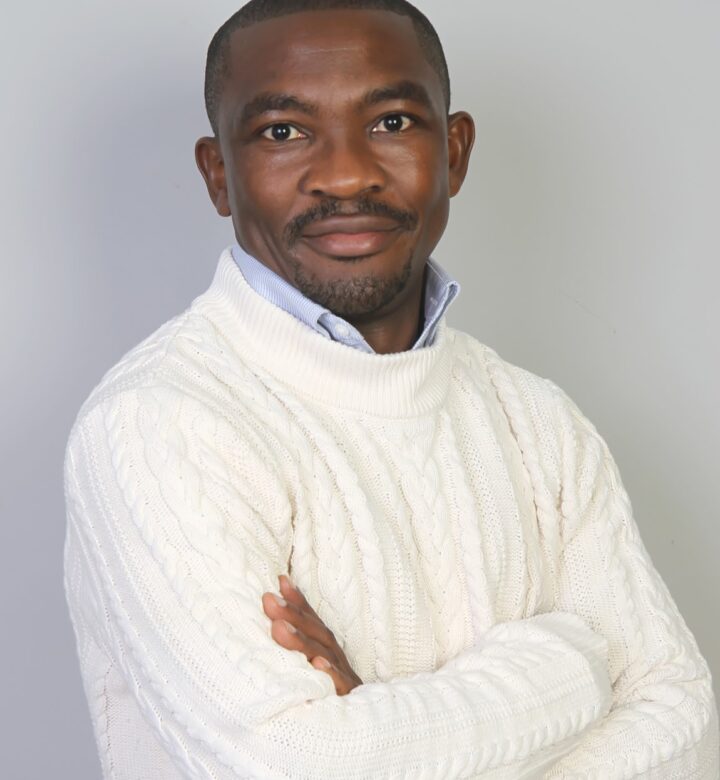
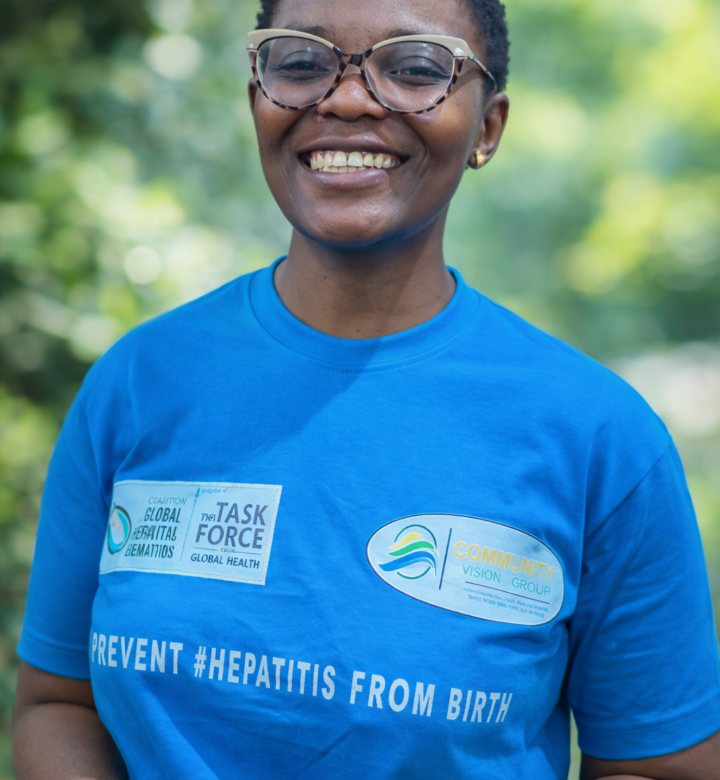
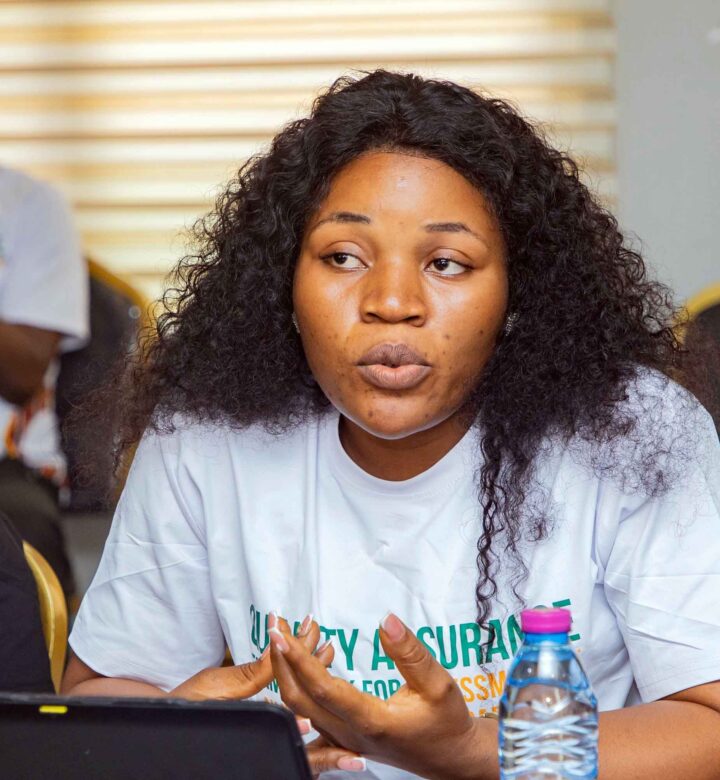
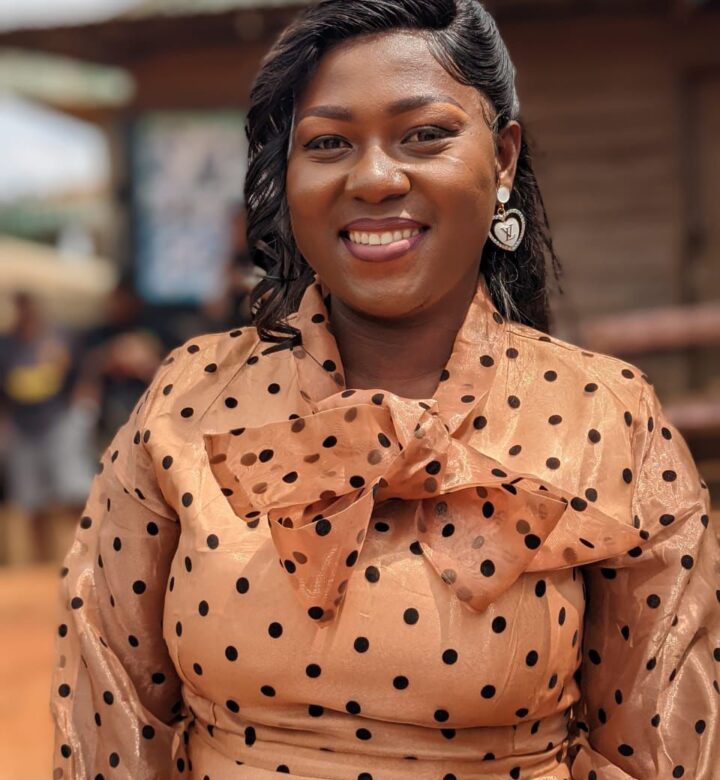
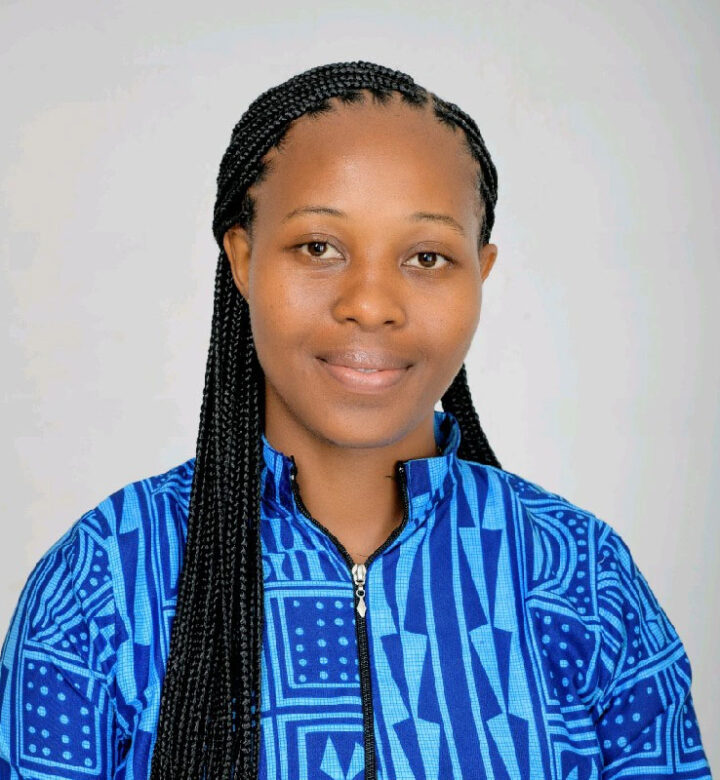
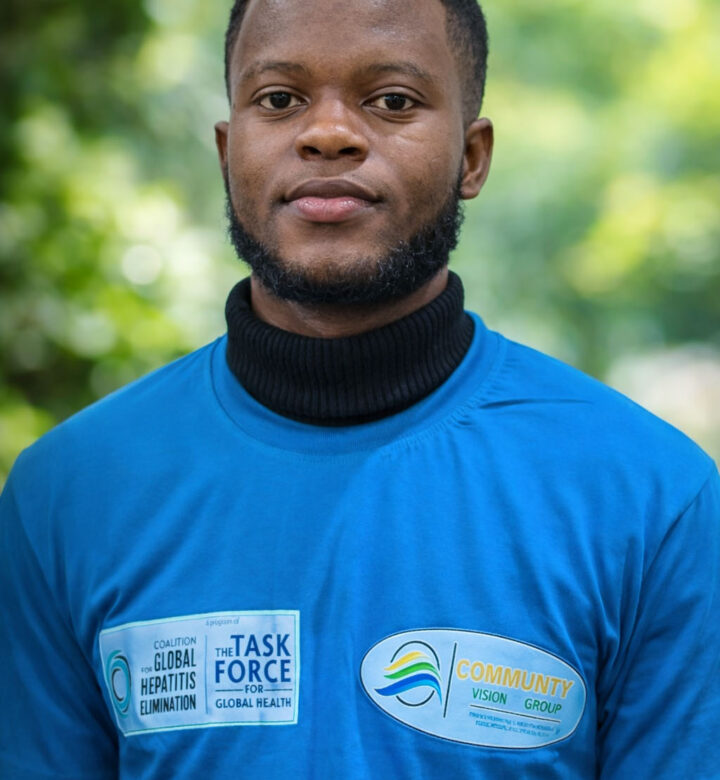
Meet Our Volunteer Team

WHERE WE WORK

CVG works in some of the most vulnerable, conflict-affected, and hard-to-reach communities in the North West Region of Cameroon. This is a region heavily affected by conflict, displacement, and educational disruption, alongside an increasing rate of malnutrition and poor socio-economic conditions.

In this region, CVG Works in Mezam Division, Boyo Division and Donga-Mantung Division with plans to extend to Ngoketunjia, Menchum and Momo Divisions. The targeted Sub-Divisions for the early years of operations include Tubah Sub-Division, Ndu Sub-Division, Nkambe Sub-Division and Bum Sub-Division

These are rural, agrarian communities where food insecurity is high, household incomes are low, and access to social services has been severely disrupted.

tukubum village in the north west region of Cameroon

CVG currently targets 10 priority schools in Bum Sub-Division with funding from Rise Against Hunger, USA, reaching over 2,000 pupils with daily nutritious meals in 2026. An expansion pipeline is anticipated.

As part of the feeding programme, CVG connects farmers to guaranteed markets which are the Nourish2Flourish beneficiary schools - boosting production, incomes, and building resilience.

Make the difference.

Join the Nourish2Flourish Movement